Keeping Chinchillas
General
Chinchillas are small rodents native to South America found in rocky, arid areas in the mountains. They are active and playful and, with gentle handling from a young age, most chinchillas become quite tame and can bond closely with their owners. But don't expect them to like being held and cuddled like dogs and cats. They usually don't, although they'll express their affection for you in other ways.
Chinchillas can be kept singly and will usually do fine as part of same-sex pairs, especially if the two chinchillas are litter mates or are introduced at a young age.
Scientific Name: Chinchilla lanigera Lifespan: 15 to 22 years Size: 10 to 14 inch body, and the tail adds another 5 or 6 inches Difficulty of Care: Intermediate Chinchilla Behavior and Temperament Chinchillas are largely nocturnal, which means they will be most active at night. Sometimes they are called "crepuscular," meaning their activity peaks at dawn and dusk. In any case, they should be kept in a fairly quiet area during the day. They prefer a consistent routine for handling and feeding and may be stressed out by changes to their routine. Since they are so active and playful, chinchillas need a roomy cage for exercise as well as daily playtime. Warm temperatures are more of a concern for chinchillas than cool temperatures, and owners should take precautions to make sure their pet chinchillas do not become overheated.
You must be gentle and consistent to gain the trust of a chinchilla. It can take some time to get any chinchilla used to your hands and being handled, especially if they are older and haven't been handled much. Some chinchillas will never really like to be held much. They'd rather be exploring, or they may prefer to climb on you rather than being restrained, but being able to handle and interact with your chinchilla will make your relationship extra rewarding. Some simple steps can help get the timidest chinchilla used to being handled. Be calm, slow-moving, and patient in the taming of your chinchillas, and they will eventually respond.
Watch Now: Are Chinchillas Good Pets? Housing the Chinchilla Chinchillas are perhaps best known for their incredibly soft, thick, luxurious fur. In the wild, this fur protects them from the elements, but in captivity, it makes them somewhat susceptible to overheating. This must be considered when deciding where to place your chinchilla in the house. A cooler, quiet area of your home is the best place to put a cage for your chinchilla. Summertime temperatures must be monitored to make sure the ambient temperature is not much more than 77 degrees Fahrenheit (25 degrees Celsius). Chinchilla cages must be large, multilevel homes with platforms, ramps, and perches. The larger the cage, the better. The minimum floor space is about 24 by 24 inches, and a tall cage is best; if possible, get one with shelves and ladders that allow this mountain native to climb. A wire is the best cage material; avoid plastic cages or accessories because chinchillas chew and destroy plastic readily. The tray can be lined with wood shavings, preferably pine; avoid cedar and hardwood shavings, such as aspen, and newspapers. Many chinchilla cages have a wire floor, which is nice for cleanliness, but the wire can be hard on chinchilla feet so it's best avoided. Wire floors or shelves can be covered with wood to give the chinchilla's feet a break. A nest box, made of wood, should also be provided. Chinchilla looking out of cage Melanie Dawn Harter / Getty Images Food and Water Chinchillas have specific dietary requirements that are different from those of other rodents. They must be fed a high-quality, chinchilla-specific food or their health will suffer. Chinchillas require a lot of roughage, and the diet should mainly consist of a good-quality grass hay along with pellets made for chinchillas. Treats should be offered in moderation (no more than 1 teaspoon per day). The digestive system of chinchillas is fairly sensitive so any diet changes should be gradual. Pelleted diets are better than a mixture of loose items. Commercially available loose mixes with chinchilla pellets, seeds, corn, and other food may be nutritionally balanced while they are in the bag, but your chinchilla may not eat all of the parts of the mix. Chinchillas are, in fact, prone to picking out and eating just what they like from a mix, making it less nutritionally balanced. Instead of a loose mix, look for a pelleted diet, formulated specifically for chinchillas that are 16 to 20 percent protein, low in fat (2 to 5 percent), and high in fiber (15 to 35 percent). illustration of chinchillas as pets care sheet Illustration: Nusha Ashjaee. The Spruce, 2018 Dust Baths Furry chinchillas, who hail from arid climes, need regular access to a dust bath. Keep in mind that It takes regular dust baths to keep your chinchilla's soft, thick fur in good condition. Chinchillas should never be bathed in water. The fine chinchilla dust provided for a dust bath penetrates the thickness of the chinchilla's fur, where it absorbs oils and clears away dirt. Not only do dust baths keep the fur of chinchillas in tip-top shape, but they also really seem to enjoy having a vigorous dust bath. Best Toys for Chinchillas Chinchillas like to chew, run and jump, and hideout. This means you need a variety of toys for chinchillas to keep them busy and active, especially items for chewing to keep the incisor teeth in good condition. Blocks of wood and tree branches that are free of pesticides make good chew toys. Some wooden parrot toys are also good toys for them, as are the willow balls and rings that you can find for rabbits. It's important to provide toys that do not have small or plastic parts that could be ingested. In addition, a "chinchilla block" or pumice block can be provided for chewing, and this will aid in keeping the teeth trim. Wheels can provide excellent exercise, although you may find that unless the chinchilla is introduced to the idea at a fairly young age it may not take to running on a wheel. Look for a 15-inch wheel (anything smaller will be too small for most adult chinchillas), with a solid running surface and an open side with no cross supports as there are in wire wheels, which can be dangerous to feet and tails. The risks of overheating make the use of plastic run-about balls undesirable; your chinchilla would much rather run around in a secure, chinchilla-proofed room with no exposed electrical wire or plastic to chew on. Grey chinchilla in colorful cage Melanie Dawn Harter / Getty Images Common Health Problems Chinchillas are subject to the same health problems as other small mammals. They may develop respiratory or digestive problems with symptoms such as discharge from eyes and nose or diarrhea. Sick chinchillas may also lose weight, hunch their bodies, stop caring for their coats, have difficulty breathing or stop eating. In addition to infectious diseases, chinchillas can be injured. Sores or broken nails can cause problems with walking or running. Chinchillas' teeth grow quickly, and overgrown teeth can become a problem. If your chinchilla is showing signs of illness, bring it to an exotic vet. Meanwhile, however, avoid handling your chinchilla too much as handling can be stressful. Purchasing Your Chinchilla Chinchillas can be purchased from pet stores or breeders. When you buy your chinchilla, be aware that, because they are usually most active at night, you may not see them at their most active. A few points to be aware of:
It's a bad idea to buy a baby chinchilla that's under 3 months old; they are too young to be separated from their mother. Instead, try to find a chinchilla that's about 4 months old, which is an ideal age at which to start taming your new pet. It is possible to adopt an unwanted chinchilla; these will be older animals, but may already have been socialized. Be sure the chinchilla you're considering is active and bright-eyed, with a good appetite, plenty of energy, and a shiny coat. If possible, purchase your chinchilla from a shop or breeder that can work with you if you run into any questions or problems. Male and female chinchillas are very similar to one another in temperament and longevity.
Chinchillas are clean, quiet, odourless and attractive rodents that have been bred and farmed for their soft dense fur. They are quite shy and are more appropriate as pets for adults and older children. Typically chinchillas can live for 10-20 years. Find chinchillas available for rehoming on our find a pet page. Your duty to care Owning and caring for a chinchilla can be very rewarding, but it is also a big responsibility. If you own or are responsible for a chinchilla, even on a temporary basis, you are required under the Animal Welfare Act to care for them properly. Understanding chinchillas needs Chinchillas have only been kept as pets for a relatively short time and experts are still learning about how best to care for them. There is no one perfect way to care for chinchillas but certain essential needs must be met. It is up to you how you look after your chinchilla, but you must take reasonable steps to ensure that you meet all their needs. Read our expert reviewed pet care information to find out more about the needs of chinchillas: Environment, Diet, Behaviour, Company and Health and welfare. Chinchilla factfile Chinchillas are soft-furred rodents with strong hind legs, large ears and a tail which makes up about one third of their body length. Why not view our full Chinchilla factfile (PDF 40KB). Chinchillas are athletic Chinchillas have long hind limbs which are adapted for leaping. They can jump over six feet in height, and pet chinchillas have been reported to jump onto the top of refrigerators! Chinchillas are highly social Chinchillas are highly social and in the wild live in colonies of more than 100 individuals. Chinchillas need a high fibre diet Chinchillas teeth grow constantly. They need to eat lots of hay, which is abrasive, to help wear their teeth down. Chinchillas have an unusual digestive system Food is passed through the gut and special droppings, called caecotrophs, are produced. Chinchillas eat these caecotrophs, allowing the food to be reingested. Chinchillas sleep in the daytime Chinchillas are most active in the evening and at night.
http://www.thesprucepets.com/chinchillas-1236769
http://www.bluecross.org.uk/pet-advice/caring-your-chinchilla
http://www.rspca.org.uk/adviceandwelfare/pets/rodents/chinchillas
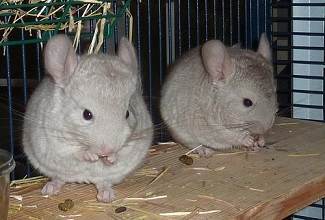


Feeding
Keeping Chinchillas is under construction.
Keeping Chinchillas is under construction.

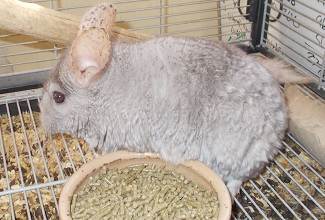

Housing
Keeping Chinchillas is under construction.
Keeping Chinchillas is under construction.


Health
Keeping Chinchillas is under construction.
Keeping Chinchillas is under construction.
I board small pets for £1 per animal per day. The money raised for boarding goes directly to the education charity Porridge and Rice that works among the extreme poor living in the Nairobi slums.
In addition, if you have small animals that you no longer can care for, regardless of the reason, I will happily take them in and rehome them. If I cannot find them a new, good home, they will live their days out at The Farm at 64.